Why Do Elephant Seals Steal Traffic Cones? The Science Behind Neil's Obsession
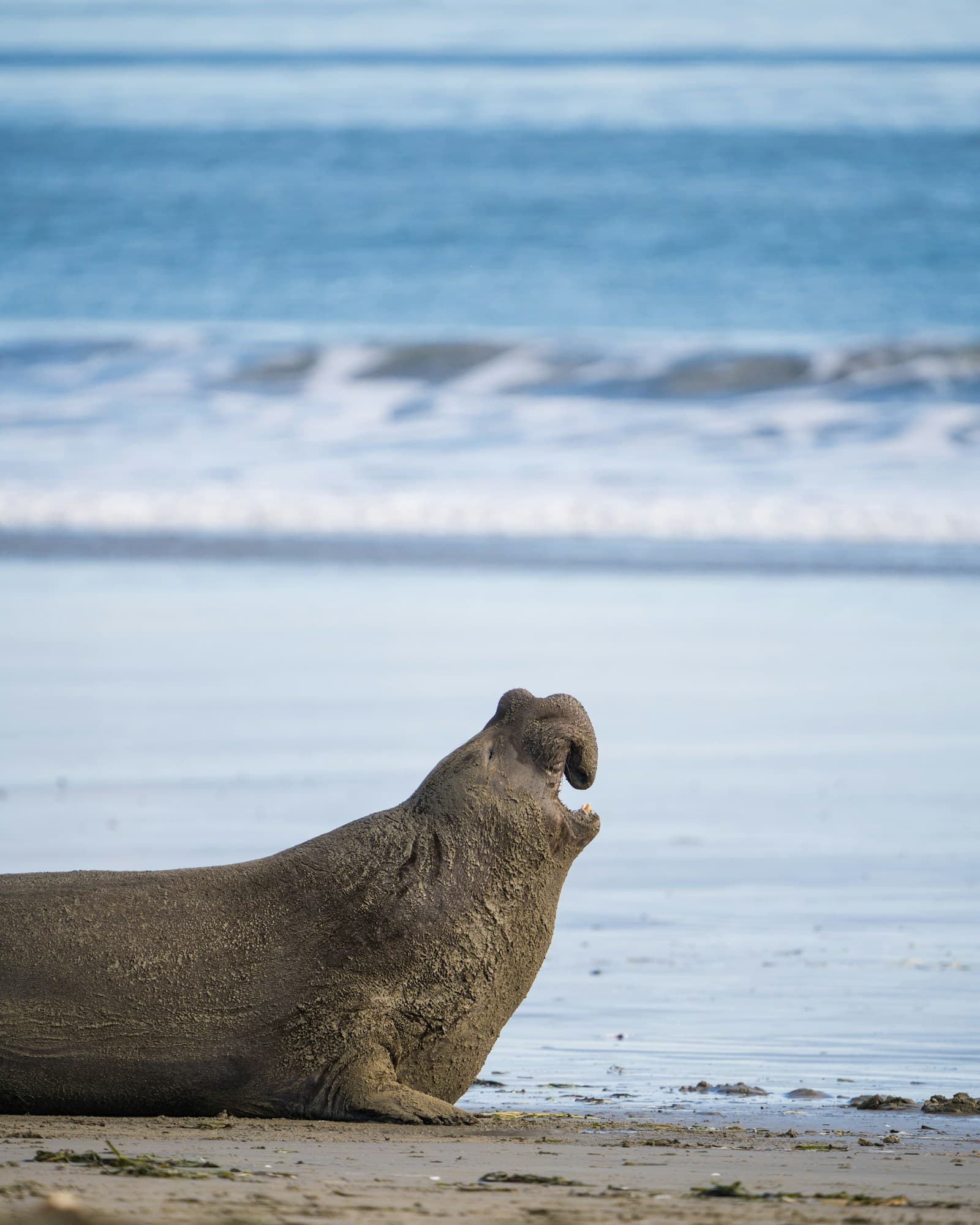
It's the question everyone asks after watching Neil drag his fourth traffic cone of the week down a Tasmanian street: why? Why does a one-tonne marine mammal care so much about orange plastic cones, roadside bollards, and garden fences?
The answer, according to the seal scientists who have weighed in on Neil's antics, is surprisingly wholesome: he's doing exactly what a young male elephant seal is supposed to do. He just doesn't have anyone to do it with.
Play-fighting is how young males train
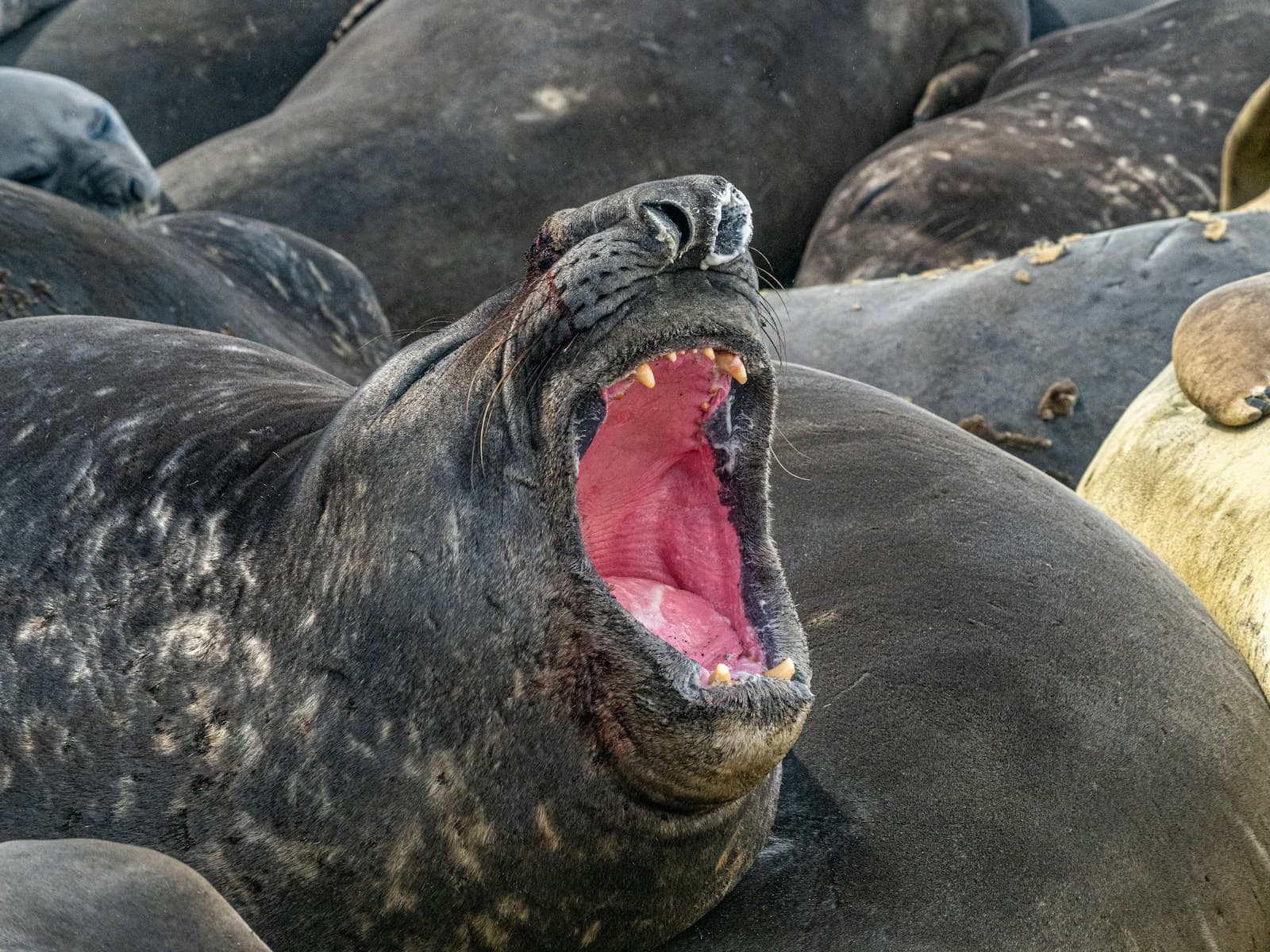
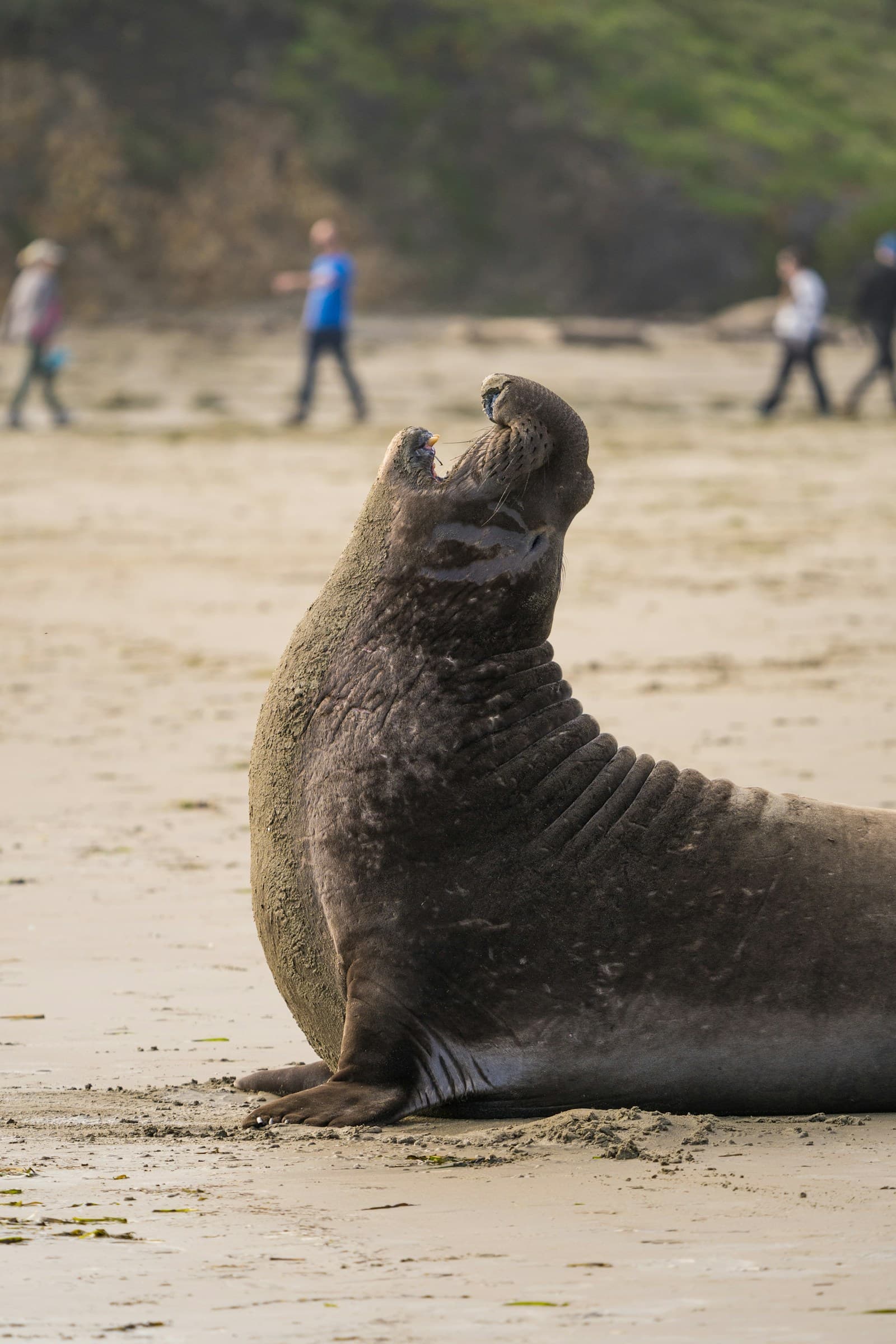
In a normal elephant seal colony, juvenile males spend their haul-outs sparring with each other. This play-fighting is serious business: it's how they build the strength and technique they will need years later, when fully grown bulls battle for breeding rights on crowded beaches. Adult male southern elephant seals can weigh over 3,000 kilograms, so those adult contests are among the heaviest fights in the animal kingdom — and the training starts young.
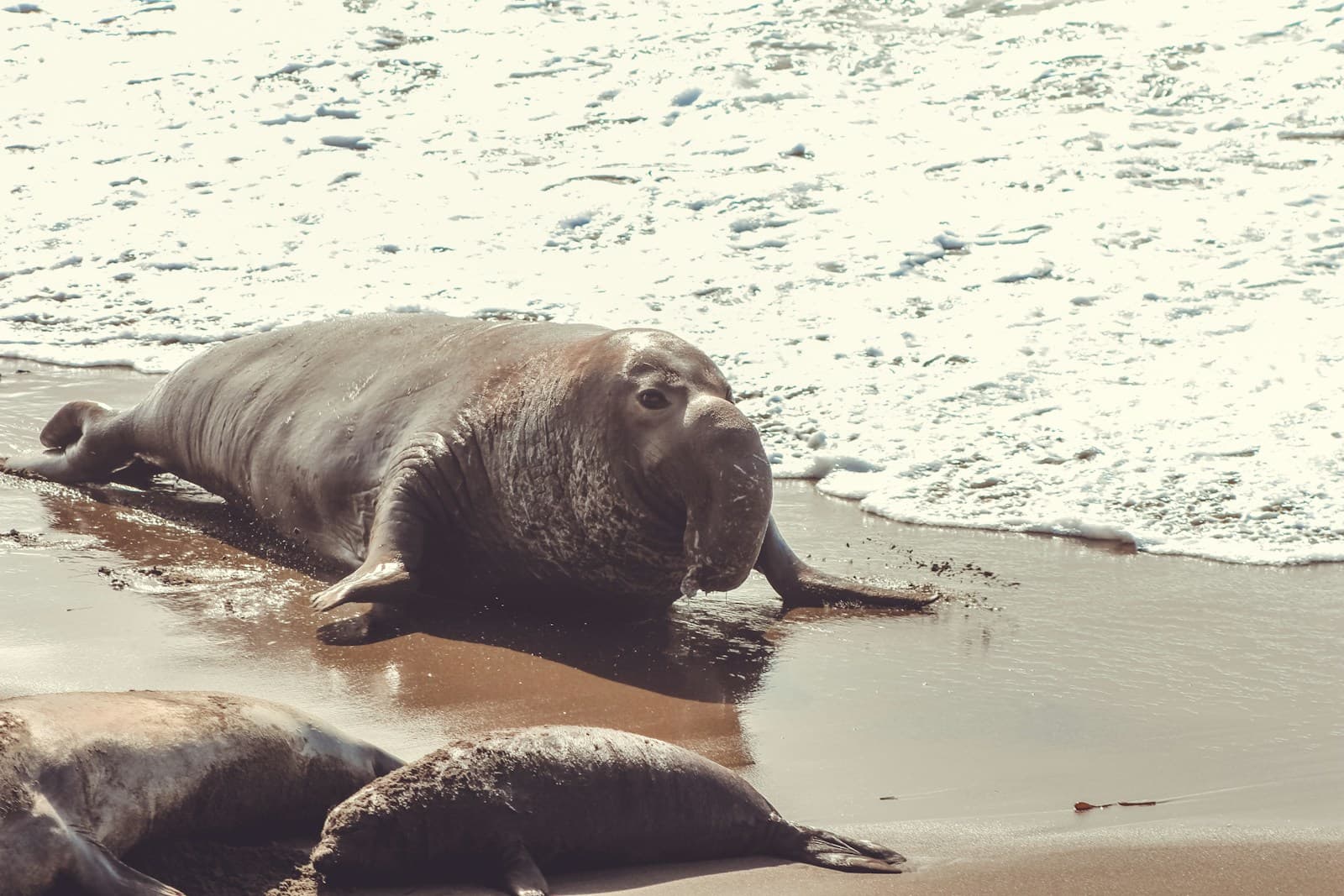
Neil, however, is a colony of one. Most of his species lives thousands of kilometres south on subantarctic islands like Macquarie Island. As University of Tasmania seal researcher Dr Jane Younger has explained, everything Neil does is normal seal behaviour — the only unusual part is the location. And marine ecologist Dr Clive McMahon, who has studied elephant seals for three decades, puts the cone habit simply: in the absence of other young males, Neil has to learn his fighting and social behaviours by sparring with bollards, traffic cones and whatever else is around.
Cones, bollards, fences: stand-in sparring partners
Wildlife veterinarians make the same point: because there are no other seals around, Neil finds objects — cars, posts, cones — to express natural, normal behaviour. In a way, it's healthy that he expresses it at all. The downside is that he misses out on real social contact with his own kind, which young males normally need on their way to one day holding a beach of their own.
- Traffic cones are light enough to grab, toss, and chew — the perfect seal toy.
- Bollards and fence posts push back a little, which makes them decent sparring dummies.
- Fences and parked cars are mostly collateral damage: a one-tonne body doesn't corner well.
The beautiful irony of the cones
Here's the part fans love most: the cones were originally put out to protect Neil — to keep people and traffic at a distance during his 2022 moult in Hobart. He turned the safety equipment into entertainment, and the entertainment turned him into a global star. Wildlife officers have even used a traffic cone to lure him off roads, because he'll happily follow one.
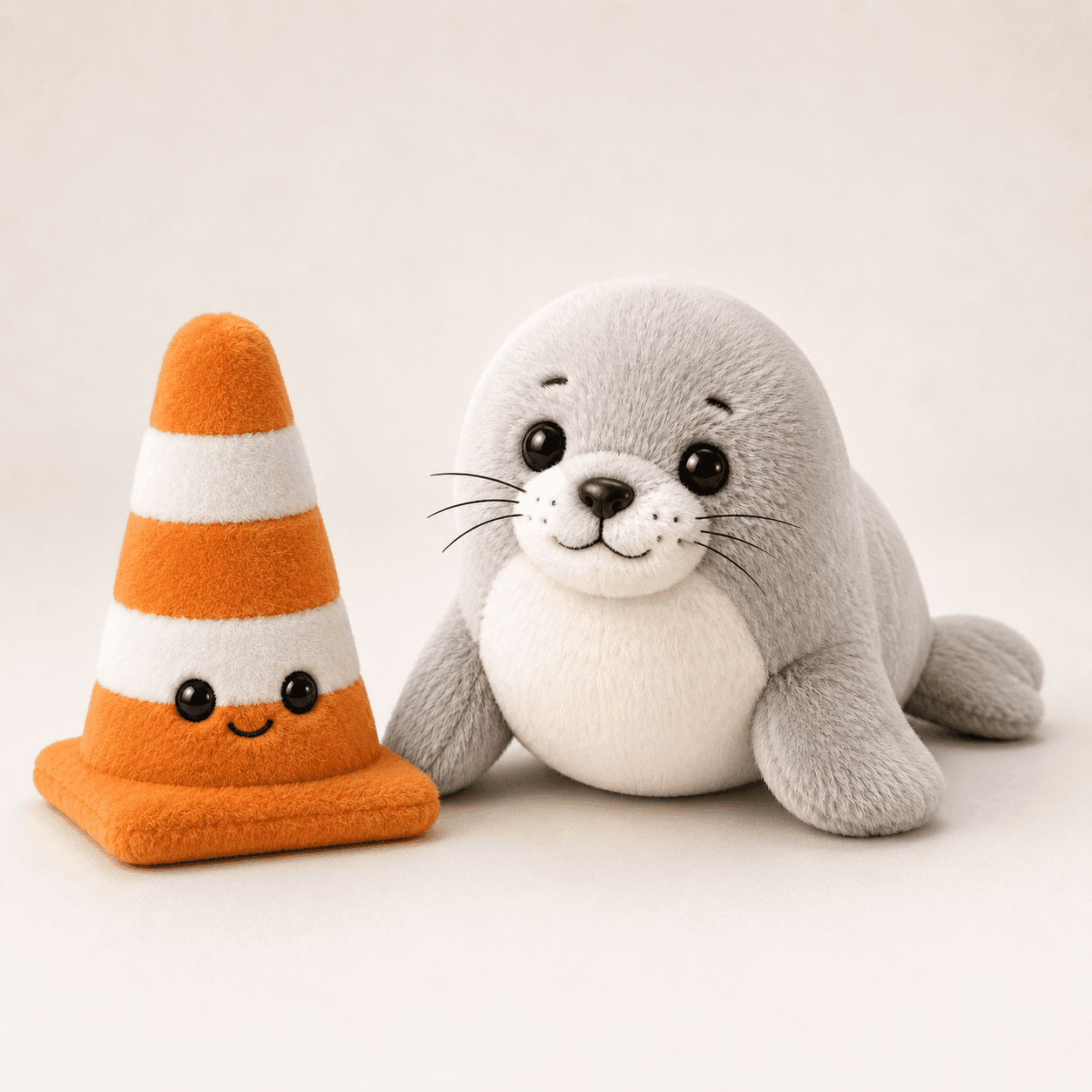
That origin story is why the cone is the unofficial symbol of everything Neil — it's on our limited-edition Cones tee, the official plushie (which comes with its own tiny cone, obviously), and the die-cut collector's sticker. And if you'd rather collect cones yourself, there's always Cone Run, our free browser game.
One serious note to end on: if you ever meet Neil in person, enjoy the show from at least 20 metres away and never try to join the game. He may look like a giant puppy, but he's a powerful wild animal — our guide on how to see Neil safely and respectfully covers the official rules.
Support the real Neil
A portion of every order supports marine wildlife conservation in Tasmania — from the limited plushie to the collector's sticker.