Southern Elephant Seal Facts: Size, Diet, Diving Records and More
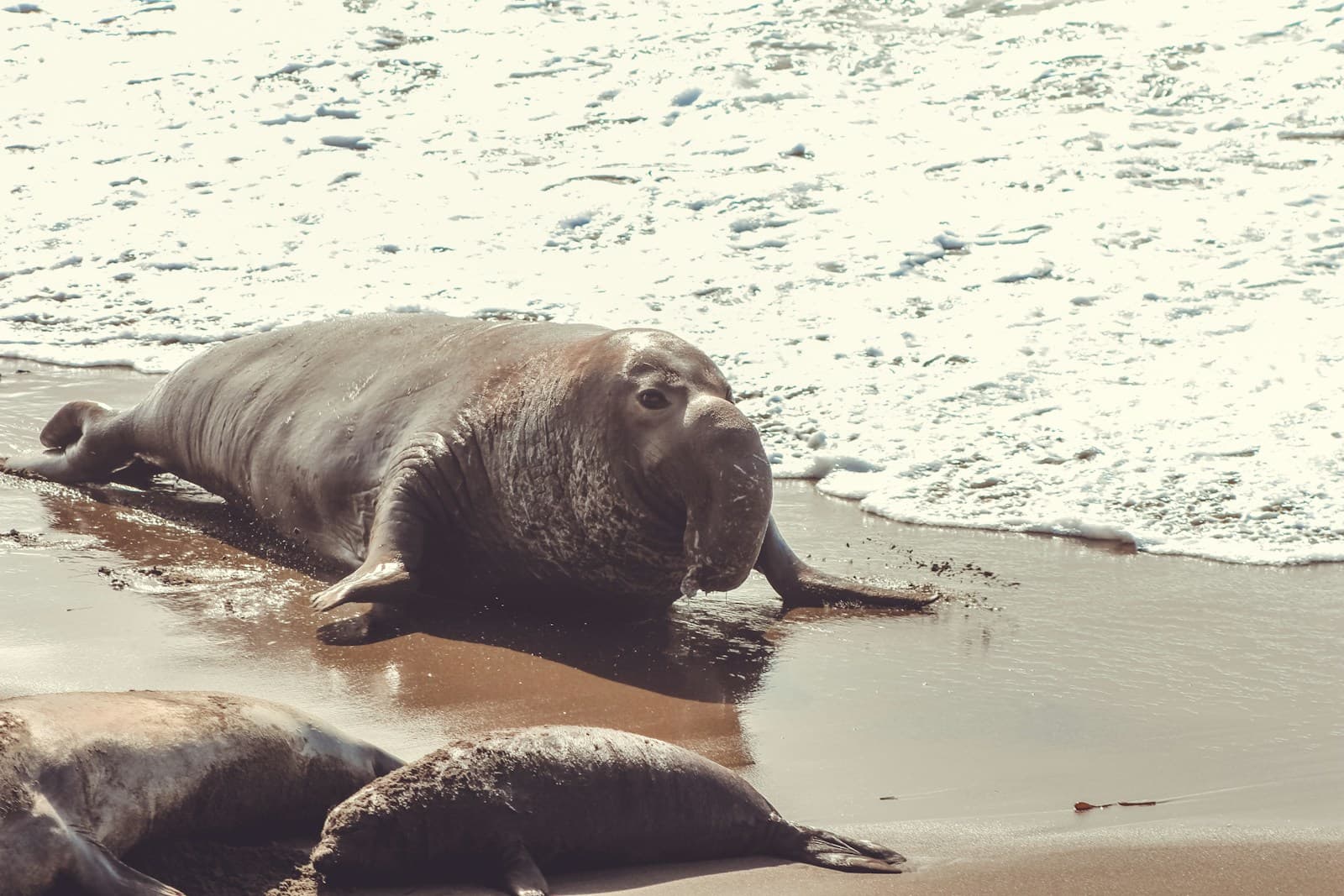
Neil may be Tasmania's most famous resident, but he's also an ambassador for one of the most extreme animals on Earth. The southern elephant seal (Mirounga leonina) is the largest seal in the world — in fact, the largest mammal on the planet outside of whales. Here are the facts that make the species genuinely jaw-dropping.
How big do southern elephant seals get?
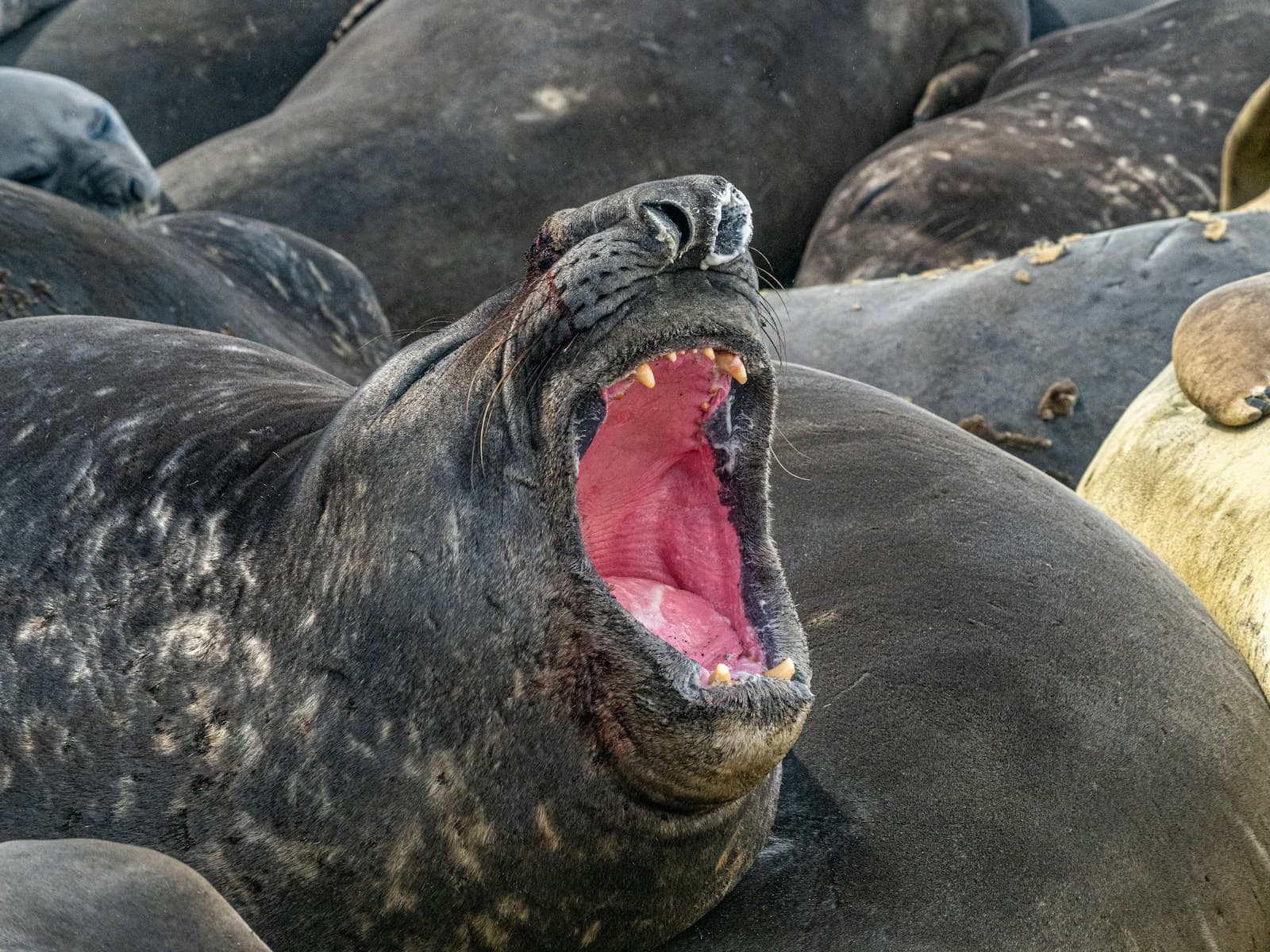
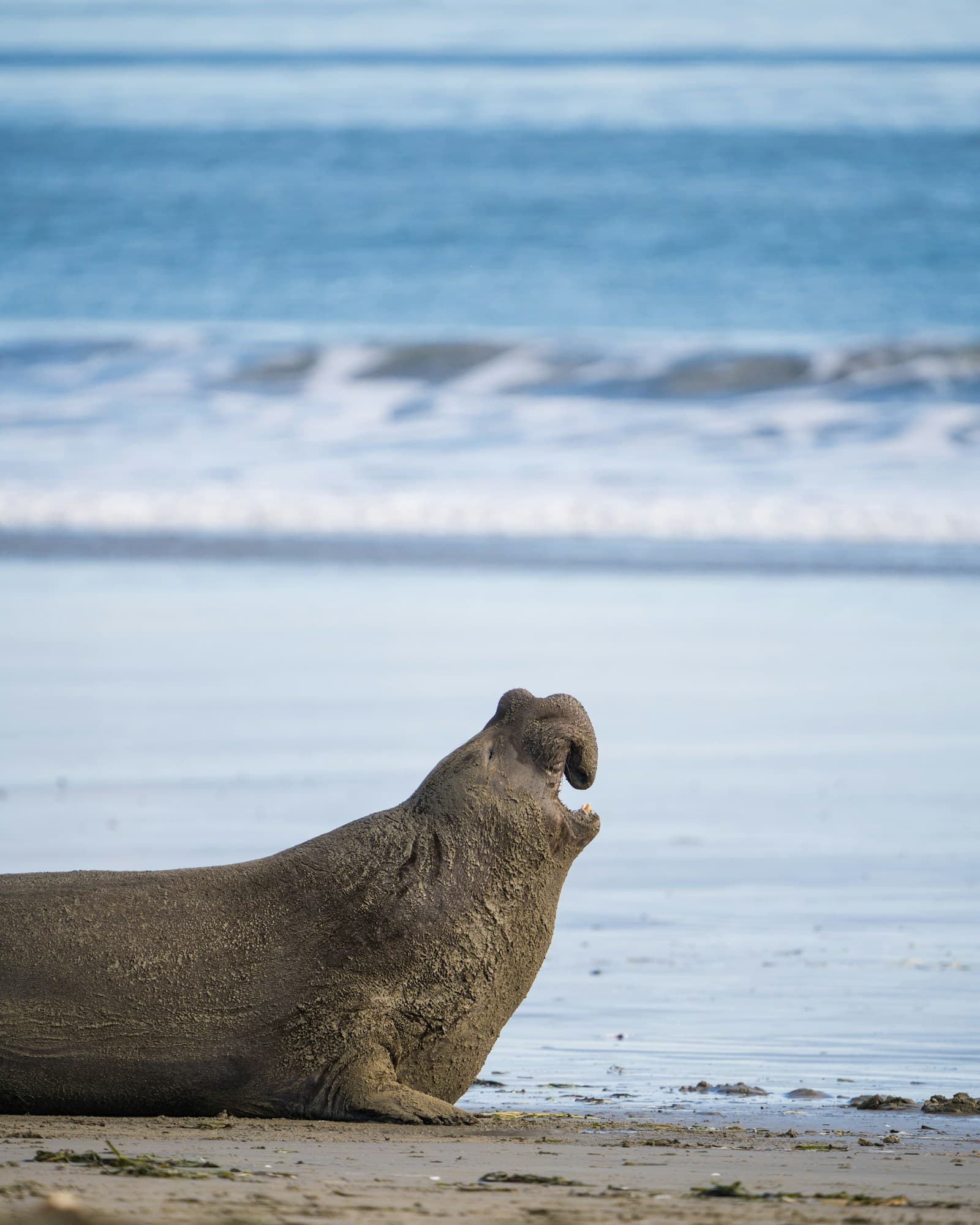
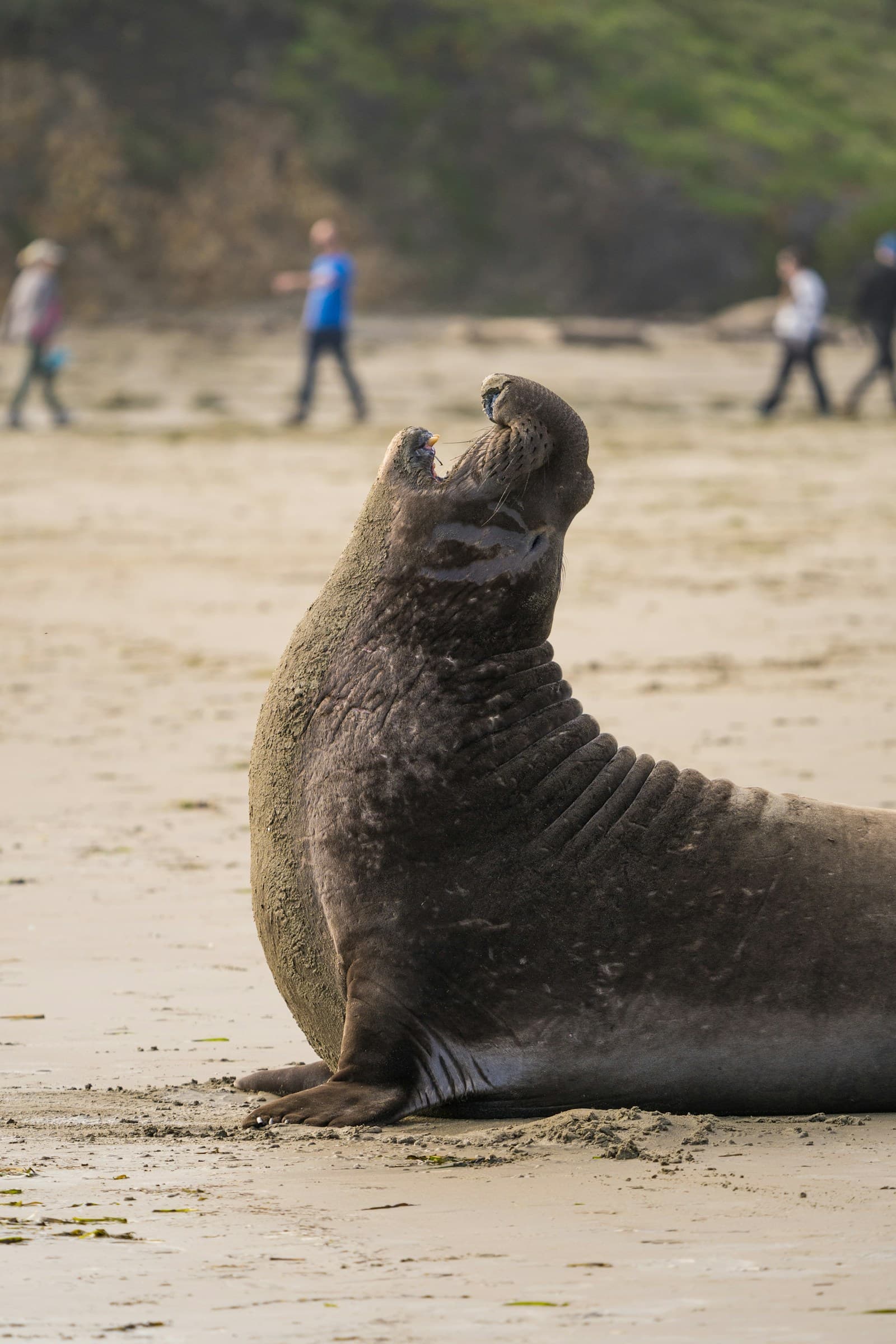
Adult males (bulls) typically weigh 1,500–3,700 kilograms and measure 4.2–5.8 metres long. Females are far smaller at roughly 350–900 kilograms and 2.6–3 metres. That gap makes the southern elephant seal arguably the most sexually dimorphic mammal on Earth — males are commonly five to six times heavier than females. The largest bull ever recorded, shot in South Georgia in 1913, measured 6.85 metres and was estimated at around 5,000 kilograms.
For context: Neil, at roughly 1,000 kilograms as a five-year-old subadult, is still growing. He could more than triple his weight before he's done.
The deepest-diving seal on the planet
Southern elephant seals are the deepest-diving non-cetacean air breathers known to science. Routine feeding dives reach 300–1,000 metres and last 20–30 minutes, with only about two minutes at the surface between dives. The deepest recorded dive reached an astonishing 2,388 metres, and the longest recorded dive lasted around two hours.
- Routine dive depth: 300–1,000 m (deeper than most submarines operate)
- Record dive depth: 2,388 m
- Typical dive length: 20–30 minutes; maximum around 2 hours
- Surface time between dives: often just 2–3 minutes
What do elephant seals eat?
Mostly squid and fish, hunted at depth in the cold waters of the Southern Ocean. Elephant seals spend the large majority of their lives at sea on months-long foraging trips, covering thousands of kilometres between feeding grounds near the Antarctic and the beaches where they breed and moult.
The 'catastrophic moult'
Once a year, elephant seals haul out on land for a so-called catastrophic moult: they shed their entire outer layer of fur and the top layer of skin, growing a fresh coat over roughly a month. They can't feed during this time and must stay ashore — which is exactly what Neil is doing when he sets up camp on a Tasmanian street. His famous 2022 Hobart visit, the one with the traffic cones, was a moulting haul-out.
Where they live — and the Tasmanian connection
Southern elephant seals have a circumpolar distribution across the Southern Ocean, with major breeding populations at South Georgia, Península Valdés, the Kerguelen and Heard Islands, and Macquarie Island — the subantarctic island population closest to Tasmania, numbering around 75,000 seals. Elephant seals once bred in Tasmania itself, but sealers wiped that population out in the early 1800s. The species is listed as vulnerable in Australia, which is one reason scientists watch Neil's Tasmanian visits with such interest — and hope.
Want to help? A portion of every purchase in the official store supports marine wildlife conservation in Tasmania — see our conservation page for details. And for Neil's own story, start with Who is Neil the Seal?
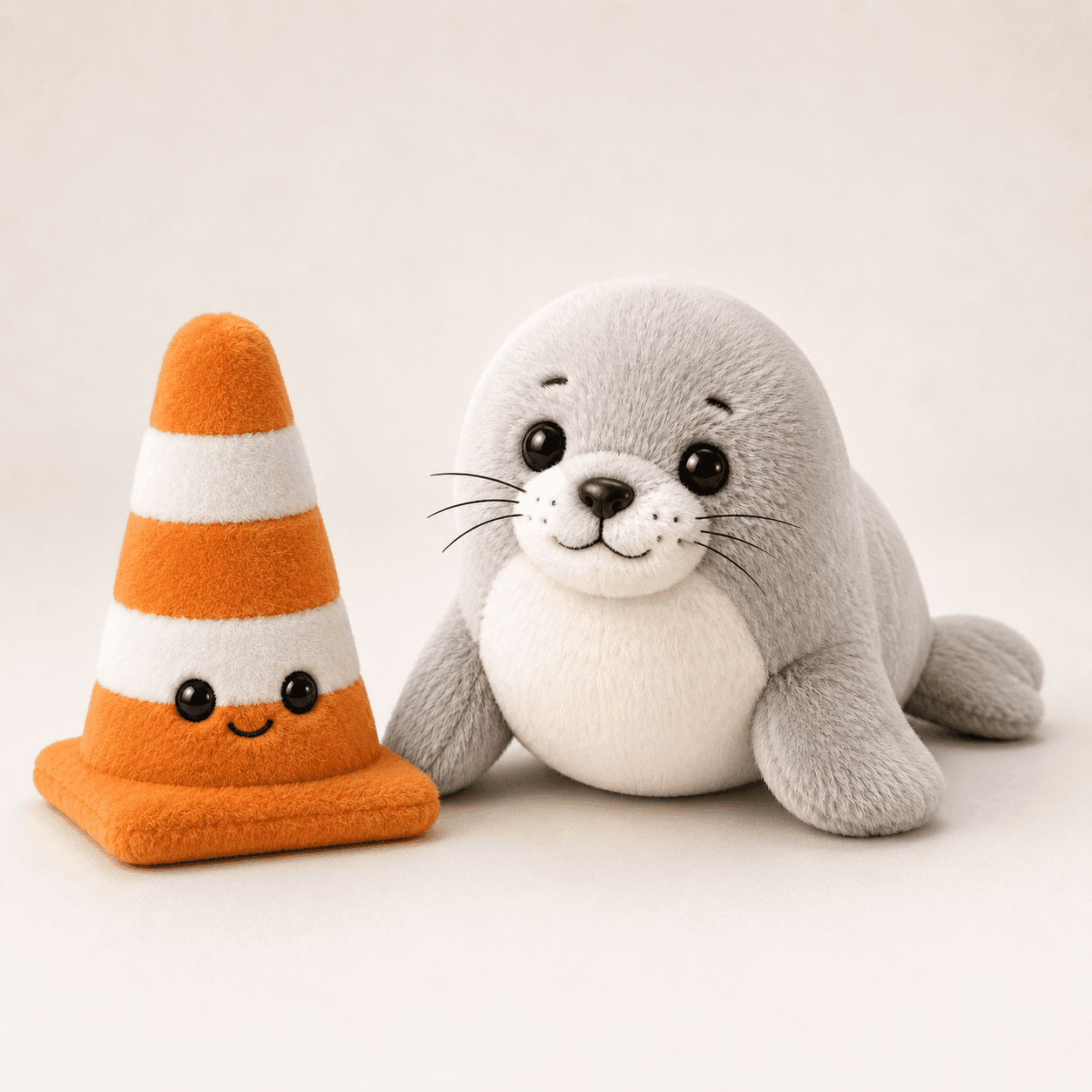
Support the real Neil
A portion of every order supports marine wildlife conservation in Tasmania — from the limited plushie to the collector's sticker.